


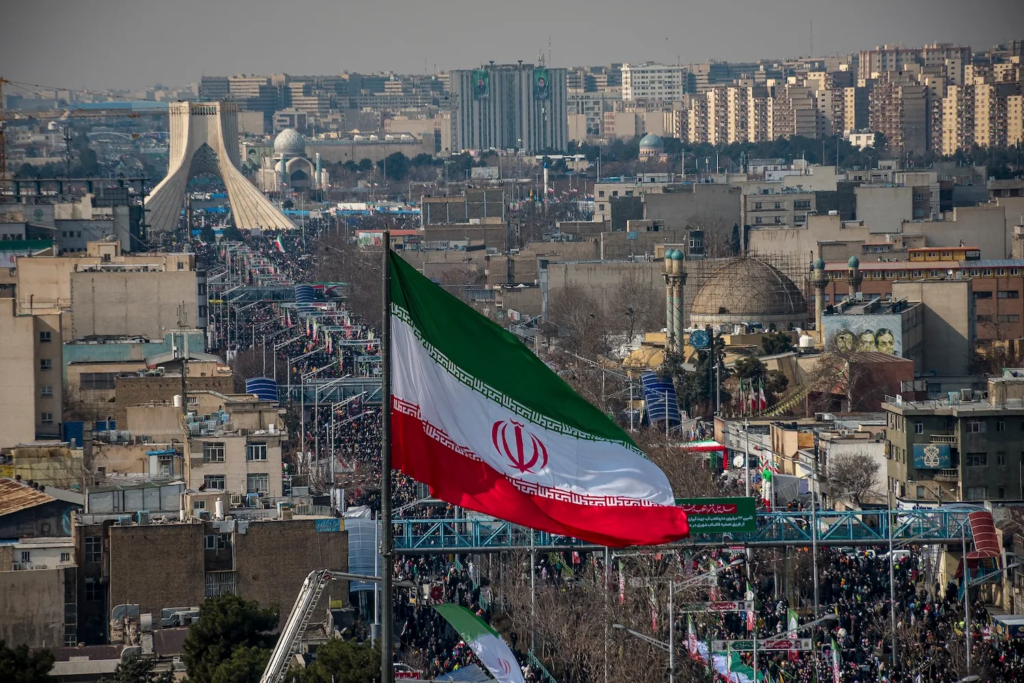
The ongoing US-Israel conflict with Iran has caused destruction in the country. The level of radicalisation within Iranian society under the Ayatollahs has increased so much that many mullahs, instead of starting their sermons with bismillah (in the name of Allah), commence with abusive slogans against Israel and America, such as “to hell with Zionists (seyhun ha be jahannam) and “Death to America” (marg bar America).
Why is the Iranian theocracy so hostile and antagonistic towards the State of Israel and its people of Zionist faith? They are not neighbouring states and are 1000 kilometres apart. Their language, religion, history, geography, culture, lifestyle, and other factors have no commonality. Why, then, this attitude of hatred? The reason can only be hypothesised.
First, the proselytised Iranian Islamic theologians and jurisconsults claim to be the true Muslims because they honour the Quranic injunction of hating and decimating Zionists—something which the Arabs are loath to follow. The second hypothesis is that America has been the enemy number one (shaitan-i-rajeem) or “the devil incarnate” supporting Israel because there is a majority of pro-Jewish lobby in the American Congress. Logic supports neither of these assumptions.
Allah, as stated in the Quran, is “rahmatu’n lil alameen” (blessing for two worlds) and “al rahman-al raheem” (the benevolent and forgiving). The injunction to kill thus cannot stand. Secondly, the US is a democratic and secular nation, governed by its constitution, which prohibits religion from interfering in state affairs. The elected members in the American Congress profess the faith of their choice. It is not Iran’s business to make an issue of who is in the majority in the US Congress and who is in the minority, just as no country in the world should similarly dictate to the Iranian Majlis.
Iran’s argument that the Jews have grabbed Palestinian territory also does not stand. That history dates back to the Balfour Declaration of 1917 by the British government, which expressed support for the establishment of a national home for the Jewish people in Palestine. Following World War II, the Jewish state was mandated by a United Nations proposal to partition Palestine into separate Arab and Jewish states. Since then, the world has accepted the existence of Israel. Iran should do likewise. By its belligerence toward Israel, Iran has not served the cause of its people or of the Palestinians.
Iran-Israel armed clashes began only after the fall of Shah Reza Pahlavi and the establishment of the theocratic regime in Iran. Some Iranian scholars in the West argue that Iran has never become truly Islamic. More than anyone else, Shia theologians and jurisconsults recognise this reality. The simple reason is that the thousand-year-old Achaemenian and Sassanian empires of Iran cultivated a civilisation and a nation that would not easily accept foreign influences. Therefore, from the Arab conquest to the present day, there have been repeated revolts against the imposed culture. Although these uprisings were often unsuccessful, they helped weaken foreign dominance while preservingindigenous traditions.
We know that Islamic Iran’s working class has always wielded considerable influence. Yet, conspicuously, that class never aspired to seize political power. However, the Islamic Revolution of Iran in 1979, led by Ayatollah Khomeini, is clearly distinct from its earlier forms. The Ayatollahs seized control of the government, and after the departure of the revolution’s founder, the country, which had changed its name from Iran to the Islamic Republic of Iran, pandered to radical Islamism and the rule of sharia, which is fundamentally incompatible with Iran’s ethos, traditions, and the mentality of its people. The animosity Iran has nurtured against Israel over the years has ultimately become counterproductive.
It is tragic that a brilliant nation with a glorious past and rich cultural heritage—a nation gifted by nature with intelligence, wisdom, and aesthetics—should have fallen victim to self-inflicted destruction. Not to speak of the greatness of the ancient monarchies of the Achaemenians or Sassanids, even the Safavid monarchs, who proclaimed the Shia faith as the state religion of Iran, treated minorities, particularly the Jews, with justice and helped them establish their localities and habitats, such as New Julfa. Founded in 1606 by a decree of Shah Abbas I, this locality stands as one of the most enduring examples of cultural coexistence and global commerce in early modern Iran. This Armenian quarter in Isfahan became a centre where Christian faith, Persian artistry, and international trade thrived side by side. This glorious tradition of tolerance needs to be revived.
The Iranian theocracy has sown the wind; the Iranian nation is now reaping the whirlwind. The Islamic Revolutionary Guards have massacred thousands of their own citizens, and the ongoing war has isolated the nation and shattered its economy. The path to redemption lies in changing mindsets, if not the government. If power changes hands and a genuinely democratic and secular government is established, that would facilitate the change. But even if the regime does not change, there should be a move in Iran to foster friendly relations with major world powers, discard anti-Israel sentiments, and build cordial relations with its neighbours in the Gulf. Only then can Iran revive its glorious past and regain its stature as one of the proudest and most prosperous nations on the Asian continent. A change of mindsets is needed, regardless of the type of regime.
(The views, thoughts, and opinions expressed are solely of the author.)




Add comment