Author - K N Pandita
 K N Pandita has a PhD in Iranian Studies from the University of Teheran. He is the former Director of the Centre of Central Asian Studies, Kashmir University.
Articles, Diplomacy, Security & Strategy, Uncategorized
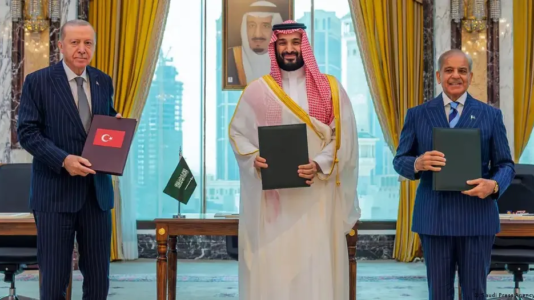
The Makkah Pact and the Emerging West Asian Order
The author argues that while the newly formed Makkah Joint Defence Agreement between major Muslim nations aims to address shifting West Asian security dynamics and project regional power, its internal rivalries, broad external targets—including Israel, India, and Russia—and questionable operational feasibility will ultimately drive impacted non-member states like India to recalibrate their own strategic partnerships and diplomatic alliances.

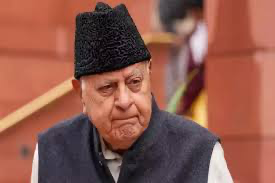
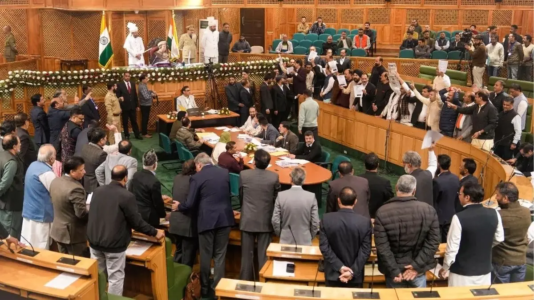
Author argues that Chief Minister Omar Abdullah's attempt to shift blame for security lapses onto the Lieutenant Governor obscures a deeper, decades-old trust deficit between Srinagar and New Delhi, one rooted in successive Kashmiri political leaderships' own complicity in nurturing separatism, radical seminaries, land grabs, and the persecution of Kashmiri Pandits, making the state's political establishment, not any constitutional ambiguity, ultimately responsible for the erosion of trust that enabled terrorism to take root.
Articles, Culture & Society, Politics
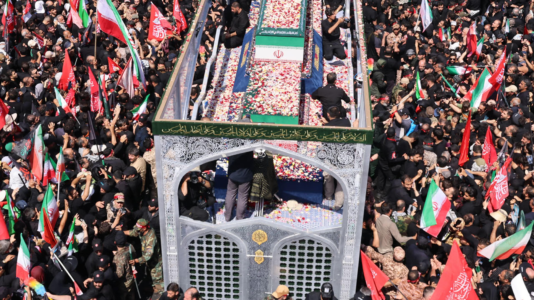
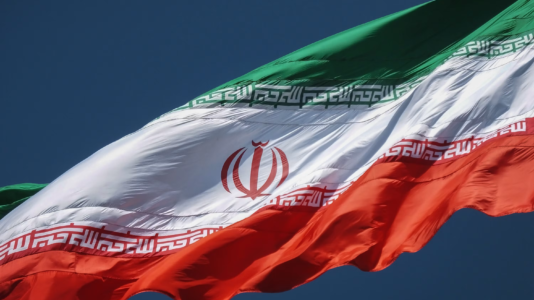
The Dual Legacy: Persian Heritage and Ideological Isolation in Modern Iran
The article argues that Iran's clerical regime, empowered by the 1979 Revolution and enforced through the IRGC, has used Shia narratives of martyrdom and anti-Israel hostility to preserve its own authority and suppress democratic reform, more out of fear of Western liberal influence than historical grievance. It concludes that Iran's nuclear ambitions and proxy warfare are self-defeating, urging Tehran to abandon isolationism for pragmatic diplomacy.