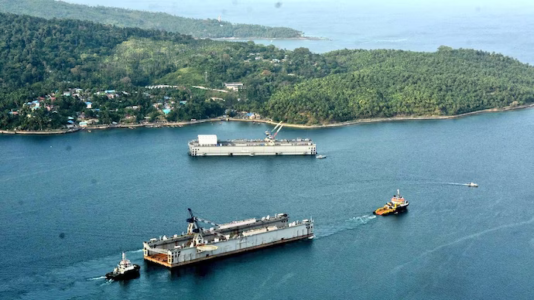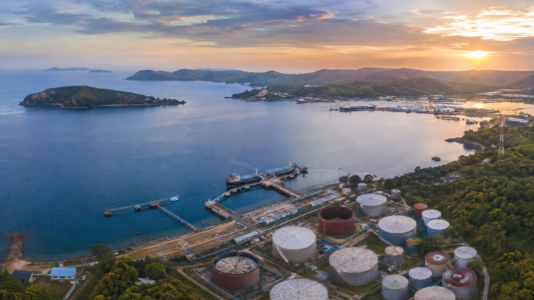
This article explores the multi-billion dollar ‘Great Nicobar Holistic Development Project’, analysing its capacity to transform India into a global transshipment leader while adhering to ecological safeguards and indigenous protection protocols.
The article argues that Russia and China’s support for Iran reflects a broader anti-imperialist geopolitical alignment that often overlooks the internal human rights violations of allied regimes.
The author argues that the true measure of urban modernity lies not in smart cities or metro networks, but in whether workers have access to dignified housing, sanitation, and social security.
This article examines how the 2026 Gulf crisis is triggering a cascade of second-order economic shocks: from the loss of discounted Iranian oil to fertilizer shortages and shipping disruptions that are quietly grinding China's industrial machine to a halt.
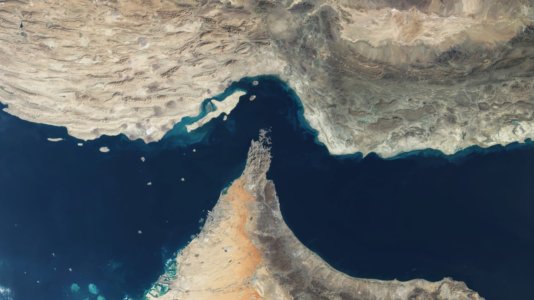
The author argues that the Strait of Hormuz crisis represents a shift from regional conflict to a global maritime chokepoint confrontation shaped by international law.
The author argues that the Taiwan Strait is another choke point in global trade and is crucial for India. Any disruptions can lead to massive delays and cost escalations for consumers and businesses in India.
As the world transitions towards clean energy, digitisation, and defence modernisation, critical minerals have become indispensable for 21st century economies.