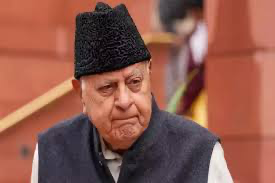
The author critiques Farooq Abdullah for presenting a selective historical narrative, arguing that key structural causes—particularly those leading to the abrogation of Article 370—are omitted. [DISPLAY_ULTIMATE_SOCIAL_ICONS]
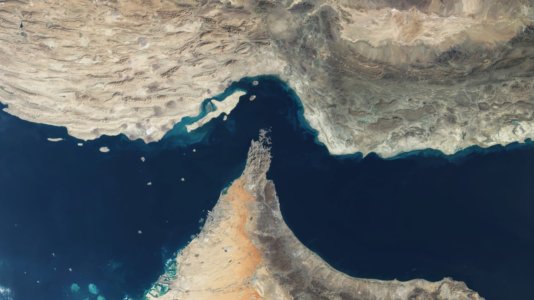
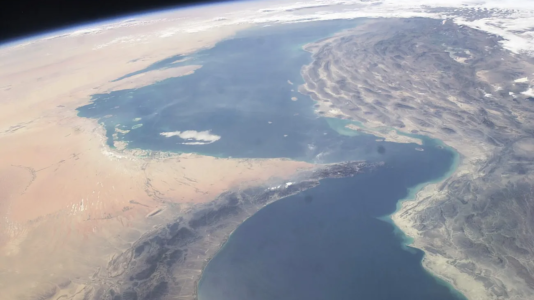
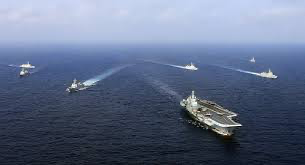
The author argues that the Strait of Hormuz crisis represents a shift from regional conflict to a global maritime chokepoint confrontation shaped by international law. [DISPLAY_ULTIMATE_SOCIAL_ICONS]
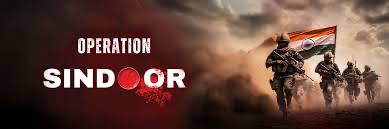
While Pakistan is unlikely to close the terrorist organisations it has sponsored—The Lashkar-e-Taiba, Hizbul Mujahideen, Jaish-e-Mohammad, and others, India’s stated policy now calls for harsh deterrent action against the Pakistan military, which sponsors these groups. [DISPLAY_ULTIMATE_SOCIAL_ICONS]
The author argues that what exists today is something far more consequential: a controlled maritime corridor, where access is no longer guaranteed by international law, but negotiated through power, perception and political alignment. [DISPLAY_ULTIMATE_SOCIAL_ICONS]
The author argues that the Taiwan Strait is another choke point in global trade and is crucial for India. Any disruptions can lead to massive delays and cost escalations for consumers and businesses in India. [DISPLAY_ULTIMATE_SOCIAL_ICONS]
Today, Hormuz is no longer a Persian Gulf problem that has repercussions in the Indo-Pacific, but rather it is an Indo-Pacific structural and operational vulnerability that happens to be located in the Middle East. [DISPLAY_ULTIMATE_SOCIAL_ICONS]
The author argues that the United States-dominated world order is in meltdown. Its foremost client state, Israel, that forced it into war with Iran, has abandoned the battlefield and is fighting civilians in Lebanon. As America prepares for a ground invasion of Iran, Israel has confirmed that its soldiers will not join the fray.While [DISPLAY_ULTIMATE_SOCIAL_ICONS]
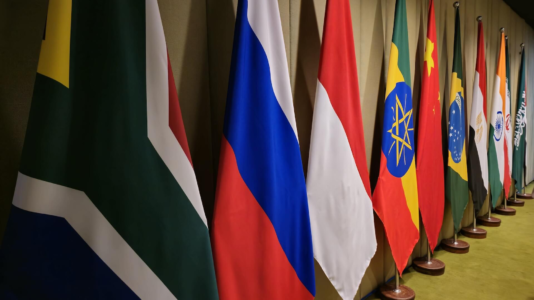
India takes the chair of BRICS for the fourth time on 1 January 2026. The official theme, “Building for Resilience, Innovation, Cooperation and Sustainability”, isn’t just branding. It is a direct echo of what Prime Minister Modi laid out in Rio last July: give BRICS a new form, centre it on the Global South, keep it oriented to people-first, and focus on practical cooperation. In today’s fragmenting world, that message lands differently. Great power competition is sharpening, supply chains are snapping, and the scramble for critical minerals has acquired strategic urgency. India’s presidency has a chance to turn this expanded platform into a bridge, not a barricade. [DISPLAY_ULTIMATE_SOCIAL_ICONS]
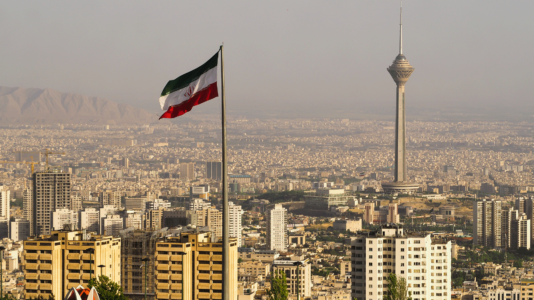
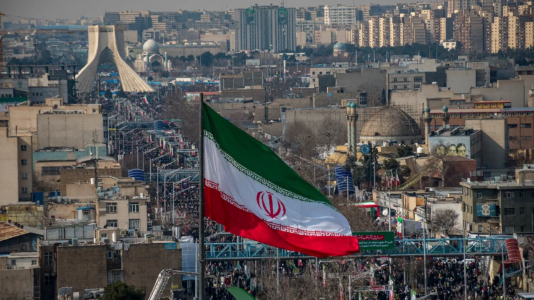
By invoking Iran’s pre-Islamic and Safavid past, author highlights a tension between indigenous cultural identity and what is portrayed as externally imposed religious radicalism. [DISPLAY_ULTIMATE_SOCIAL_ICONS]
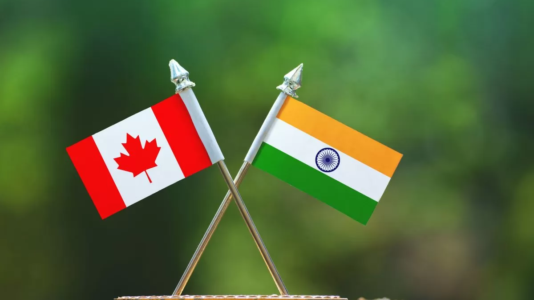
The author argues that the 2023 rupture under Justin Trudeau illustrates how domestic political compulsions and vote-bank pressures can derail even structurally strong bilateral relationships. [DISPLAY_ULTIMATE_SOCIAL_ICONS]