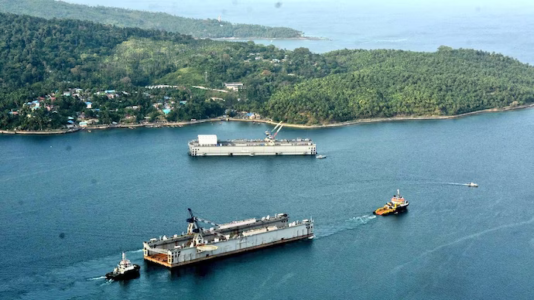
The Eastern Indian Ocean is undergoing an unprecedented structural shift, challenging the regional security framework as the People’s Republic of China aggressively pursues a two-ocean strategy through proxy infrastructure networks. Amid this growing friction in the region lies the Great Coco Island, a highly strategic territory belonging to Myanmar, located just 55 kilometres from India’s Andaman and Nicobar Islands. [DISPLAY_ULTIMATE_SOCIAL_ICONS]
The author argues that geostrategic factors are critical, and India cannot remain a spectator while the wider Central Asian region is being reorganised by China. [DISPLAY_ULTIMATE_SOCIAL_ICONS]
The author argues that Oman's decision to deepen economic ties with Iran signals a significant shift in Gulf geopolitics and reflects growing regional skepticism towards American security guarantees. [DISPLAY_ULTIMATE_SOCIAL_ICONS]
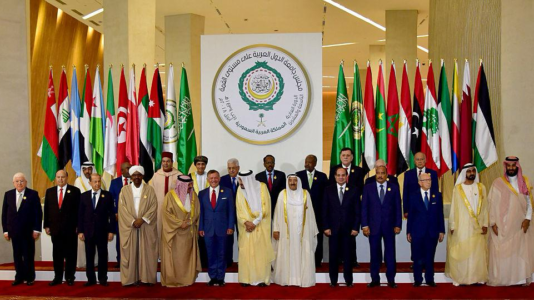
The author argues that when Arab countries speak in a single voice, their regional influence increases, but when each country adopts separate priorities, the regional balance changes. [DISPLAY_ULTIMATE_SOCIAL_ICONS]
British anthropological and missionary interventions transformed ethnic identities into administrative categories, thereby creating artificial jurisdictional divisions that continue to shape contemporary border realities. [DISPLAY_ULTIMATE_SOCIAL_ICONS]
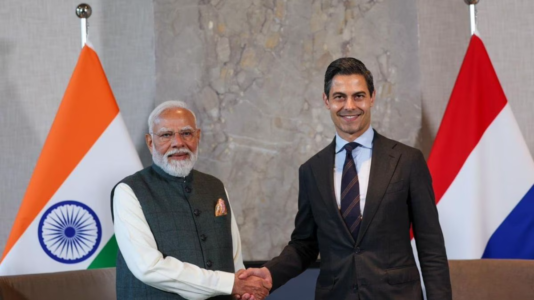
Prime Minister Narendra Modi’s 2026 visit to the Netherlands marked a decisive transition in India-Netherlands relations from trade-centric engagement to a multidimensional strategic partnership rooted in technology, energy, and geopolitical convergence. [DISPLAY_ULTIMATE_SOCIAL_ICONS]
The author argues that the traditional state-centric framework of global power politics is being fundamentally transformed by the rise of technology corporations, social media, and the digital sphere, which are reshaping governance, society, and international conflict beyond the predictions of classical Power Transition Theory; this article constitutes the second part of a two-part series. [DISPLAY_ULTIMATE_SOCIAL_ICONS]
This article provides a data driven analysis of The Great Nicobar Island Project, examining its role as a strategic military hub and how this ‘unsinkable aircraft carrier’ will redefine India’s maritime sovereignty.
[DISPLAY_ULTIMATE_SOCIAL_ICONS]
The author argues that in the military sphere, the ethical discourse has evolved from hypothetical fears of autonomous “killer robots” roaming battlefields to more immediate concerns about command responsibility, accountability, and the gradual erosion of human moral agency in decisions about the use of force. [DISPLAY_ULTIMATE_SOCIAL_ICONS]
The author argues that the traditional state-centric framework of global power politics is being fundamentally transformed by the rise of technology corporations, social media, and the digital sphere, which are reshaping governance, society, and international conflict beyond the predictions of classical Power Transition Theory; this article constitutes the first part of a two-part series. [DISPLAY_ULTIMATE_SOCIAL_ICONS]