Category - Diplomacy
Articles, Diplomacy, Security & Strategy, Uncategorized
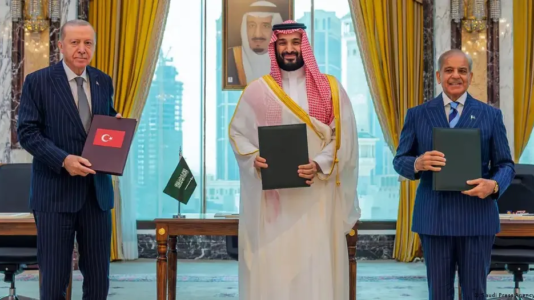
The Makkah Pact and the Emerging West Asian Order
The author argues that while the newly formed Makkah Joint Defence Agreement between major Muslim nations aims to address shifting West Asian security dynamics and project regional power, its internal rivalries, broad external targets—including Israel, India, and Russia—and questionable operational feasibility will ultimately drive impacted non-member states like India to recalibrate their own strategic partnerships and diplomatic alliances.
Articles, Diplomacy, Security & Strategy
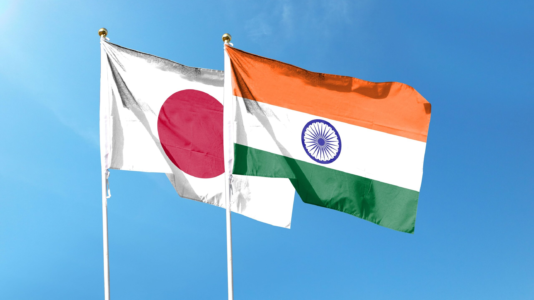
India and Japan: Anchoring Stability in an Uncertain Indo-Pacific
The author argues that the India-Japan partnership has matured from shared strategic vision into concrete, practical cooperation across defence, technology, and economic security, driven by the two countries' complementary strengths. He contends that as US engagement grows uncertain and Quad momentum slows, India and Japan are emerging as key stabilising actors actively helping protect the wider Indo-Pacific order, rather than merely contributing to it.