September 9, 2026

From Bishkek to New Delhi: The Next Phase of India-Russia Defence Cooperation

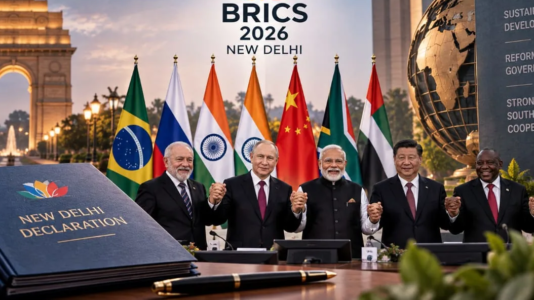
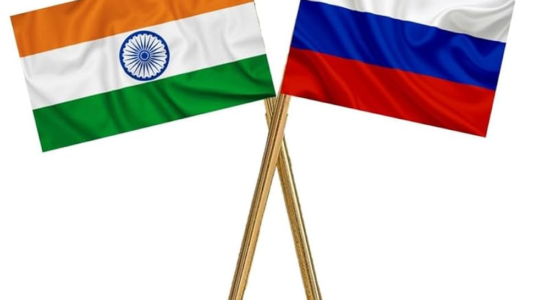
Two meetings in two weeks. Prime Minister Narendra Modi and President Putin are set to meet again after their recent SCO meeting, which focused on energy and defence cooperation. Their next meeting in New Delhi for the BRICS Summit has already sparked speculation about potential defence deals. Could Russia be preparing to offer India fighter aircraft and advanced air-defence systems?
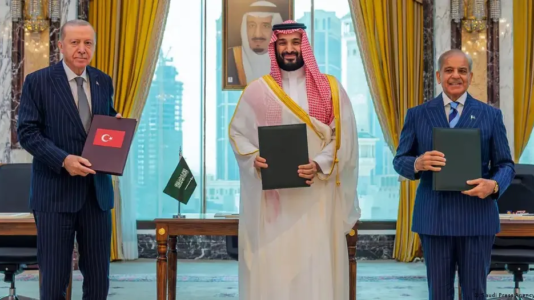
The Makkah Pact and the Emerging West Asian Order

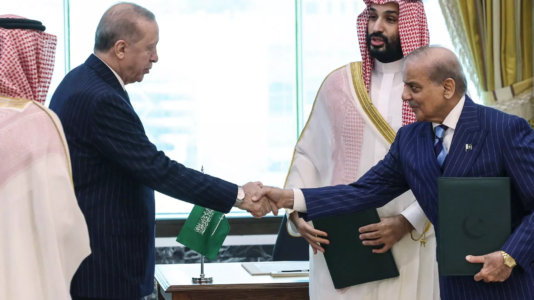
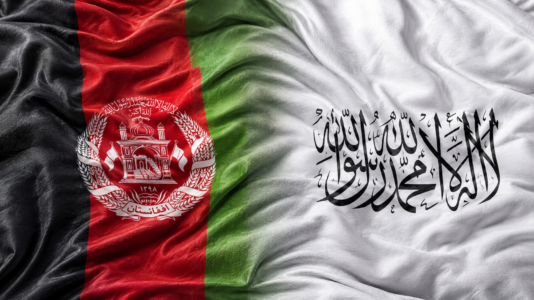
The author argues that while the newly formed Makkah Joint Defence Agreement between major Muslim nations aims to address shifting West Asian security dynamics and project regional power, its internal rivalries, broad external targets—including Israel, India, and Russia—and questionable operational feasibility will ultimately drive impacted non-member states like India to recalibrate their own strategic partnerships and diplomatic alliances.

Missing Treaty of Sugauli a political ploy?

he author argues that Nepal's renewed claim over Limpiyadhura, Lipulekh, and Kalapani—conveniently timed with the resumption of India-China trade via Lipulekh—rests on shaky historical ground, since past Nepalese kings never disputed these territories and repeated searches have failed to even locate the original Sugauli Treaty document. With no treaty map defining the Kali's source and both sides relying on competing British-era records, the author concludes that only diplomacy, not legal appeals to a treaty neither side can fully verify, can resolve the dispute.

India and Japan: Anchoring Stability in an Uncertain Indo-Pacific

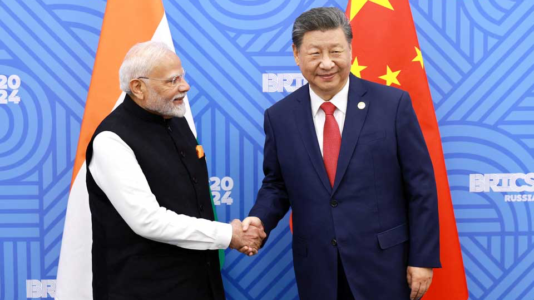
The author argues that the India-Japan partnership has matured from shared strategic vision into concrete, practical cooperation across defence, technology, and economic security, driven by the two countries' complementary strengths. He contends that as US engagement grows uncertain and Quad momentum slows, India and Japan are emerging as key stabilising actors actively helping protect the wider Indo-Pacific order, rather than merely contributing to it.

BHARAT@79: REFLECTIONS ON INDEPENDENCE DAY

The author argues that India’s progress towards Viksit Bharat is increasingly within reach, but its next challenge is to develop strategic, intellectual, and cultural self-reliance rather than merely pursue material development. He argues that this requires greater accountability, resilience against cognitive and information warfare, and a distinctly Bharatiya vocabulary and mindset rooted in India’s civilisational heritage rather than borrowed Western frameworks.

The Anti-terror Battle: Whose Duty is it?

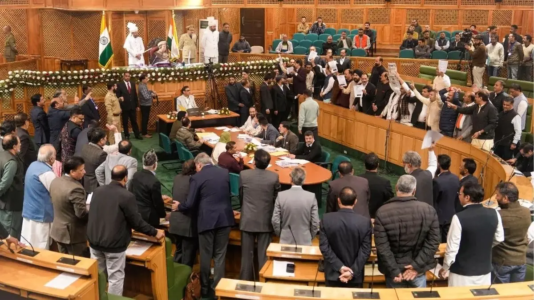
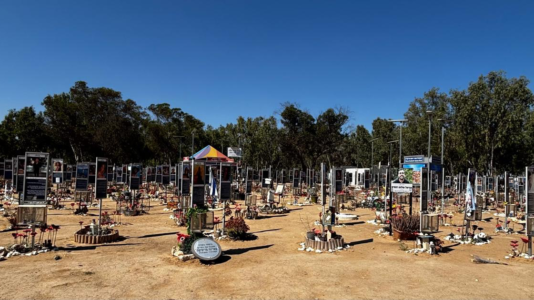
Author argues that Chief Minister Omar Abdullah's attempt to shift blame for security lapses onto the Lieutenant Governor obscures a deeper, decades-old trust deficit between Srinagar and New Delhi, one rooted in successive Kashmiri political leaderships' own complicity in nurturing separatism, radical seminaries, land grabs, and the persecution of Kashmiri Pandits, making the state's political establishment, not any constitutional ambiguity, ultimately responsible for the erosion of trust that enabled terrorism to take root.

Samudra Manthan: The Ocean India Is Finally Ready to Explore

The author argues that Samudra Manthan represents a mature, well-sequenced policy response to India's costly oil import dependence, building on a decade of regulatory reform by sharing deepwater drilling risk with private operators. He contends that if executed well, following the precedent set by Brazil and Guyana, the scheme could meaningfully boost India's energy security and domestic hydrocarbon production.